


Aikido8 min20.9.2026
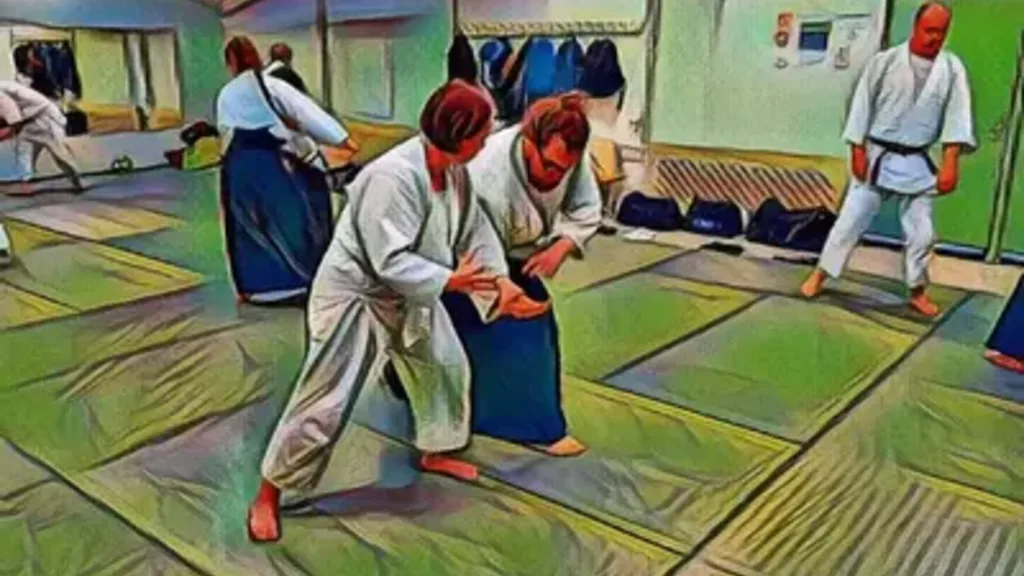
Aikido for Children – Life Skills on the Mat
Aikido for children builds life skills, cooperation and body awareness – not just techniques. Why we focus on juniors.
Read more
We use necessary cookies for basic functionality, analytics cookies for visitor statistics and ad conversion tracking (Google), and functional cookies for Spotify content.
News, tips, and articles about aikido and training.
The Aikido blog and news collect practice tips, everyday dojo life, and common beginner questions: what happens in your first class, how aikido differs from other arts, and how we look after training partners together. The articles are written for practitioners in Tampere and Hyvinkää — and for anyone considering starting aikido.
We publish practical tips and longer reflections: founding a dojo, etiquette on the mat, and who aikido is for. For a quick starting point, read about the first class or visit what is aikido. Training locations are in Tampere and Hyvinkää.
Beginners will find concrete guides: what to expect from your first class, how much the hobby costs, how ukemi — safe falling — is taught, and whether aikido is self-defense. Comparisons with other arts — judo, for example — help clarify what we practice on the mat and what we do not. The aim is to answer the questions people actually ask before they dare to show up.
Pieces about dojo life describe how a community forms: the small acts by which we look after each other and the space, and how the Tampere dojo grew from an empty hall into a training place. Hyvinkää classes and everyday life at both locations appear in the news as well. You can browse all articles or filter by Aikido, Dojo, and General — and come back whenever a new text appears.
If you are looking for training nearby, start on the location page and then return to the blog to go deeper. New pieces build on the same whole: how to start, what happens in class, and how dojo life works day to day in Tampere and Hyvinkää.
Aikido for children builds life skills, cooperation and body awareness – not just techniques. Why we focus on juniors.
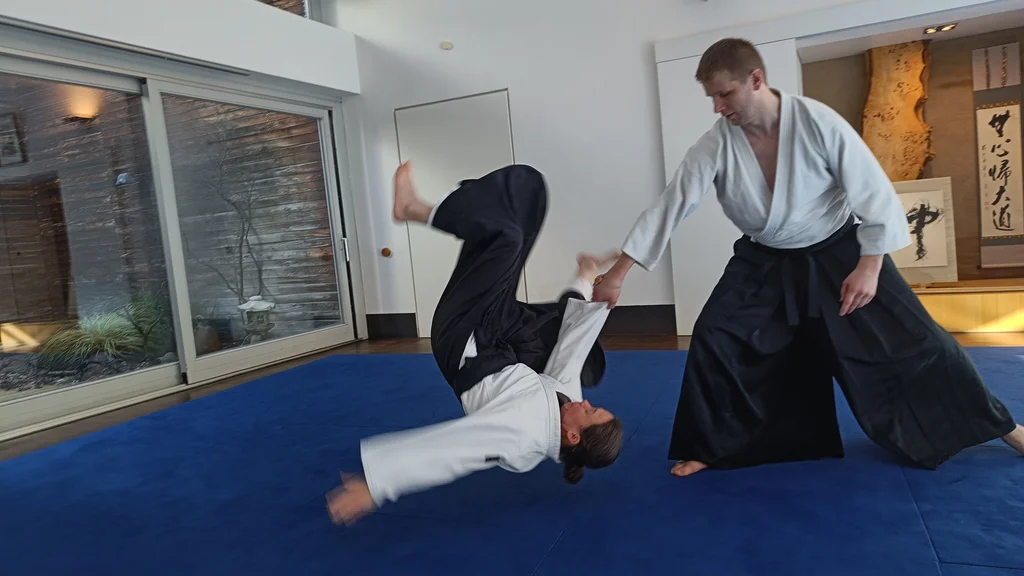
How did aikido reach Finland, and which Japanese teacher lines shaped it? A summary of Mika Levy’s research.
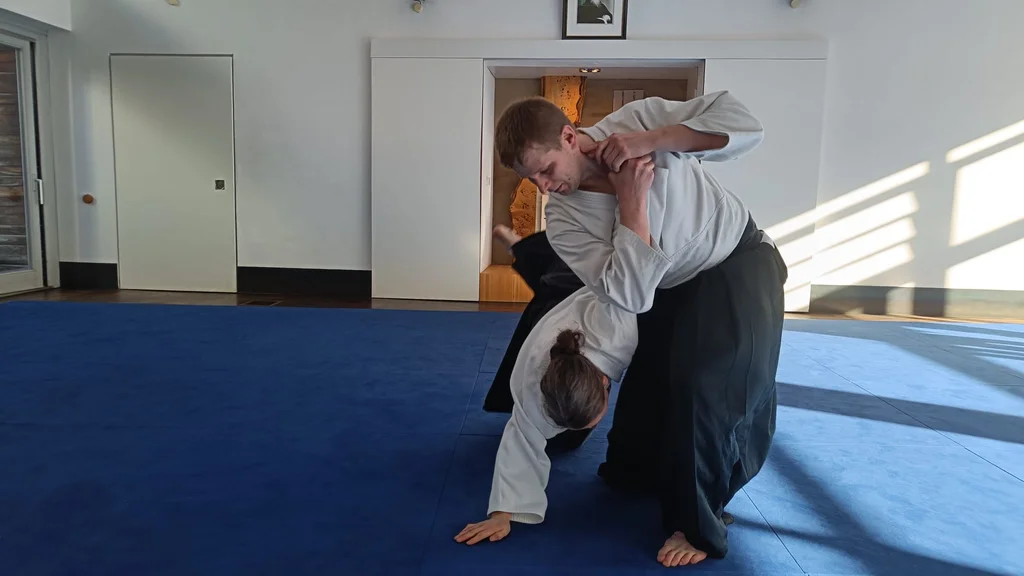
Aikido in Tampere at several clubs: Aikido Unlimited, Nozomi and Seigikai. Current scene, styles and how to start.
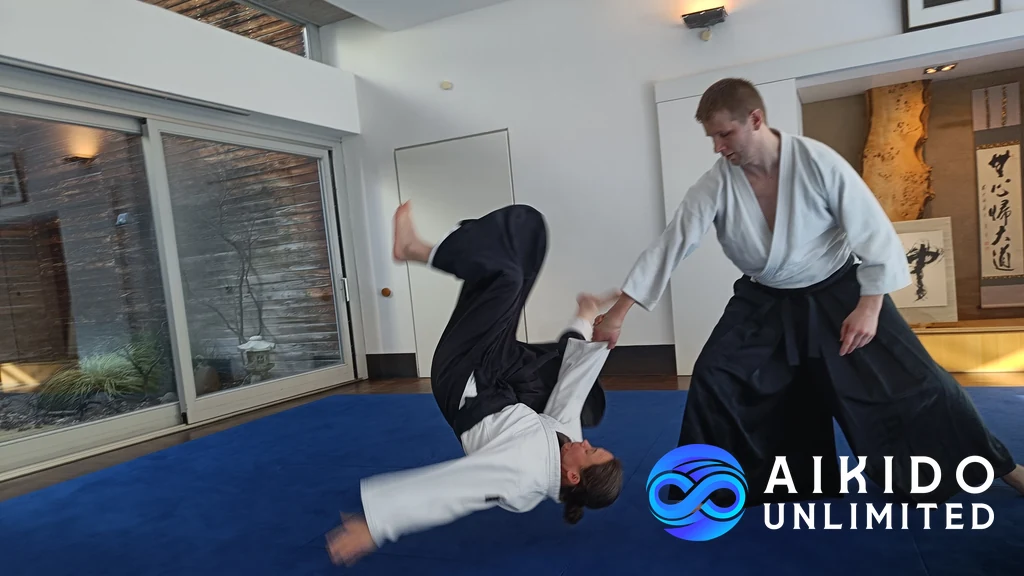
Ukemi is safe falling — one of aikido’s most concrete everyday benefits. Learn how breakfalls are taught progressively, and why falling does not have to be scary.
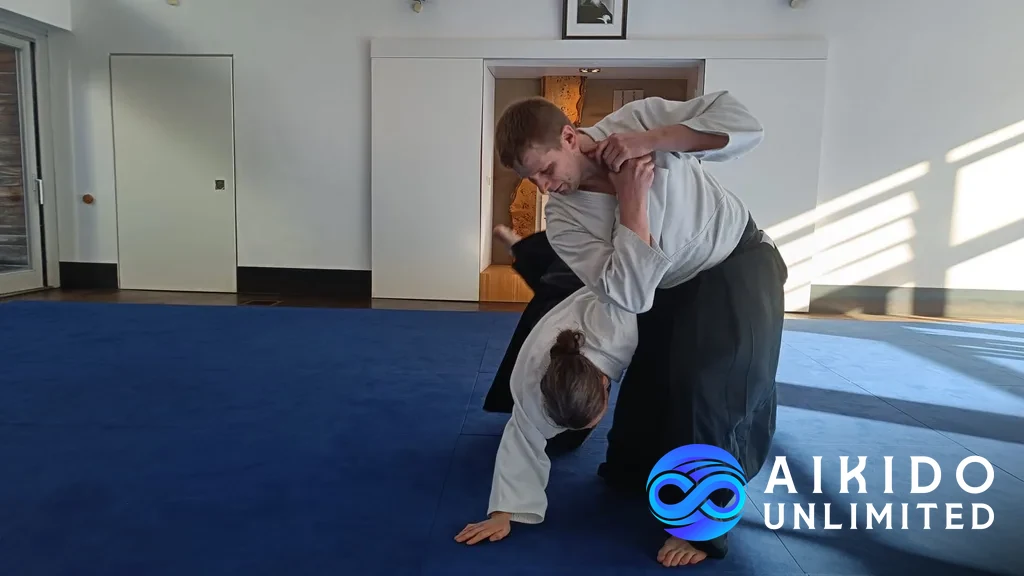
Aikido is affordable: Tampere €60/month adults, €40 juniors; Hyvinkää €30 and €20. Also family discount and day passes.
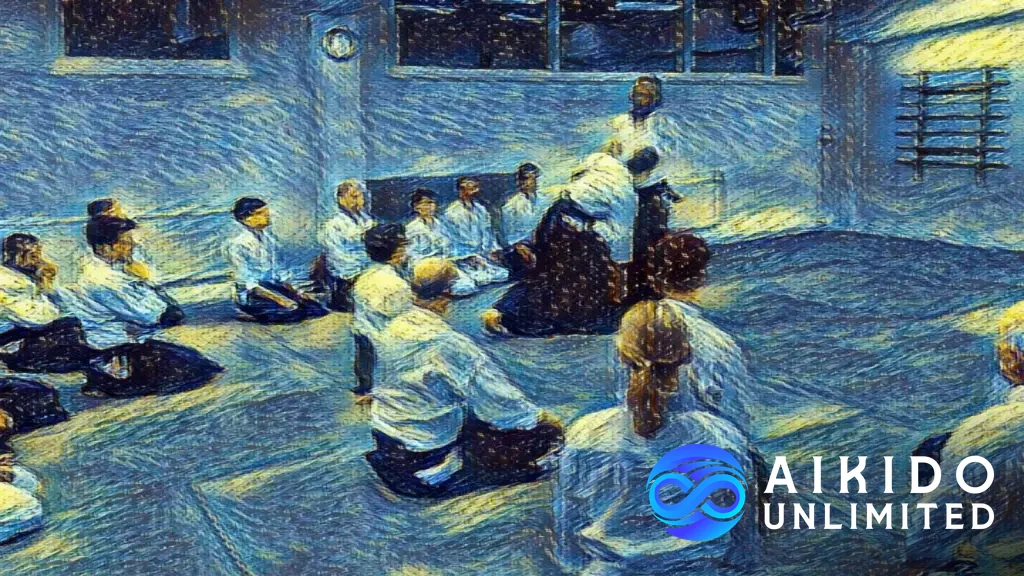
Judo is a sister art to aikido: throws and kata share a lot, but mindset, competition, weapons, and newaza set the arts clearly apart.
New students are always welcome. Learn how a class at Aikido Unlimited works, what to wear, and why you do not need to know etiquette or Japanese terms beforehand.
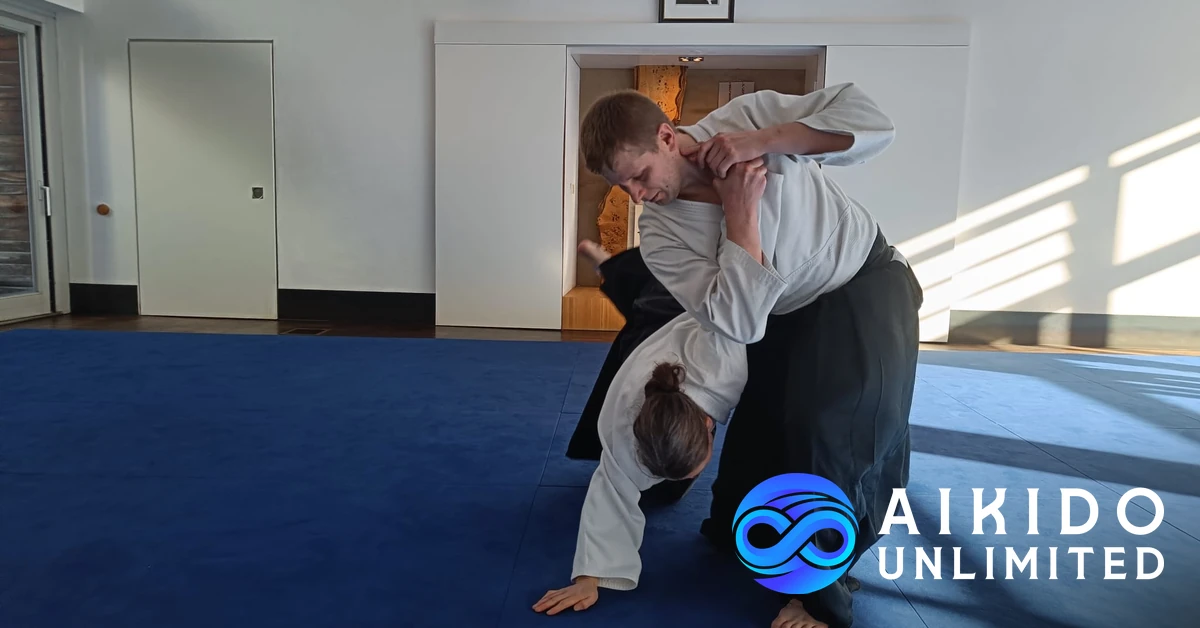
The short answer is: no — it is much more. In aikido we practice martial principles, but the training aims at understanding oneself.
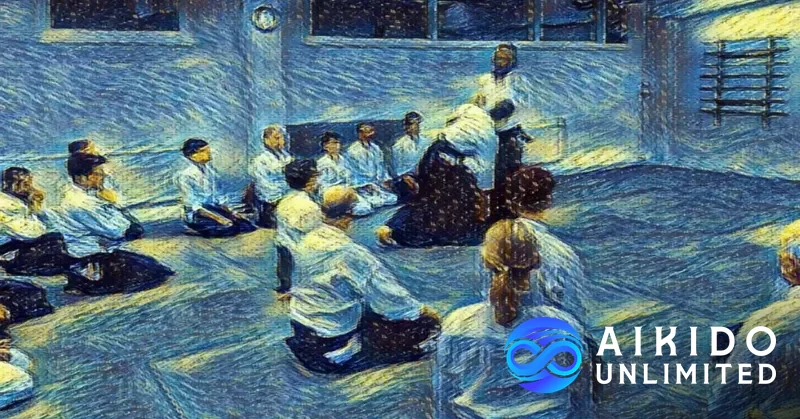
In aikido we train together. Small acts — clean feet, short nails, shared cleaning — show that the other person has been taken into account.
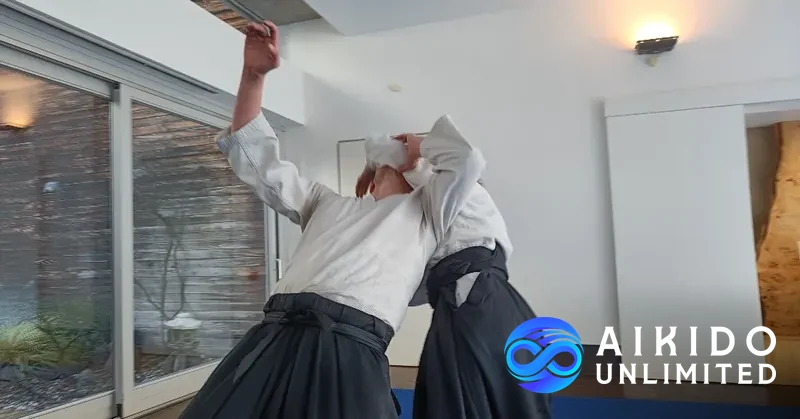
Tori is like a machine without hatred or fear; uke feeds it energy. Aikido is a dance in which trust and cooperation turn movement into art.
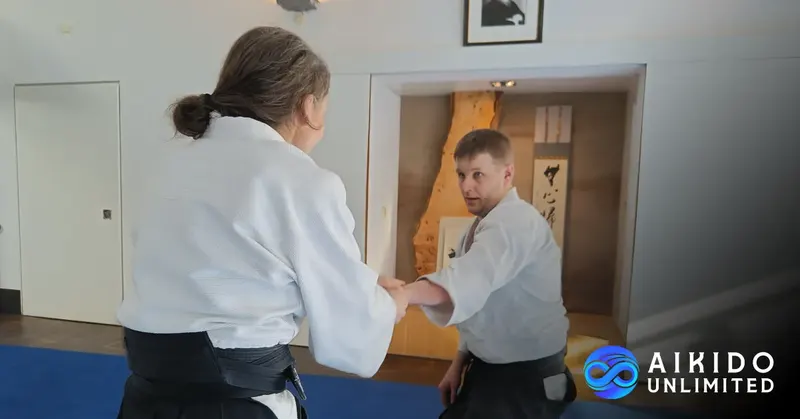
Aikido is a traditional Japanese martial art focusing on body control, balance, and redirecting an opponent's movement.
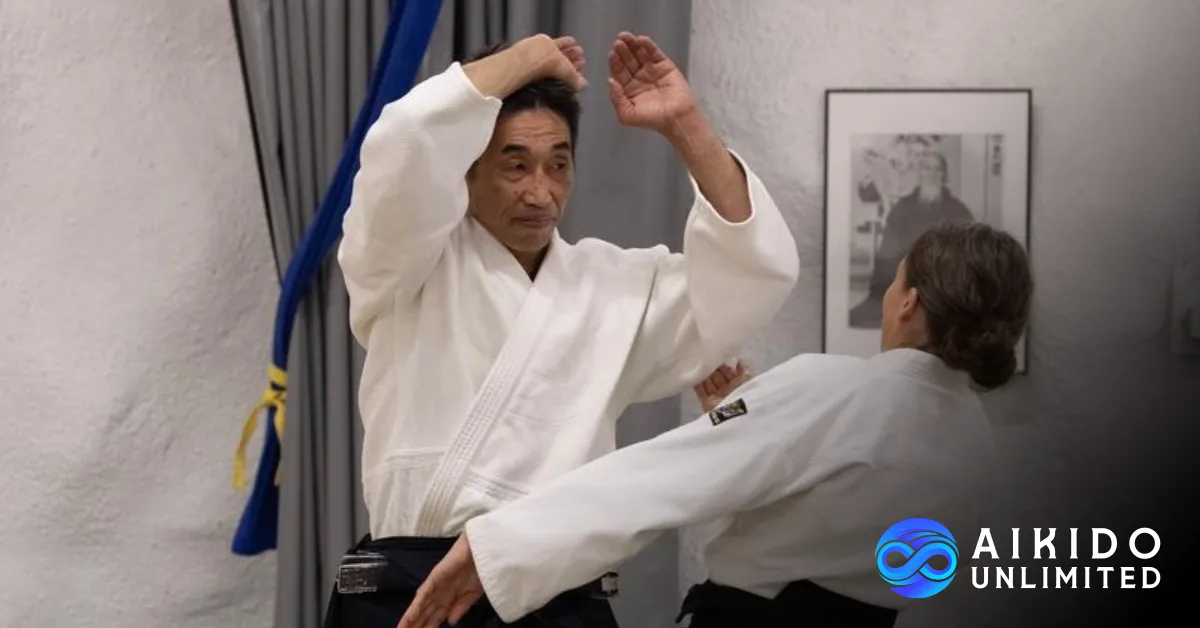
The week has been filled with website work, positive bank financing decisions, and visits to potential Espoo dojo locations.
What does it take to create proper, functional training spaces in an old industrial building?